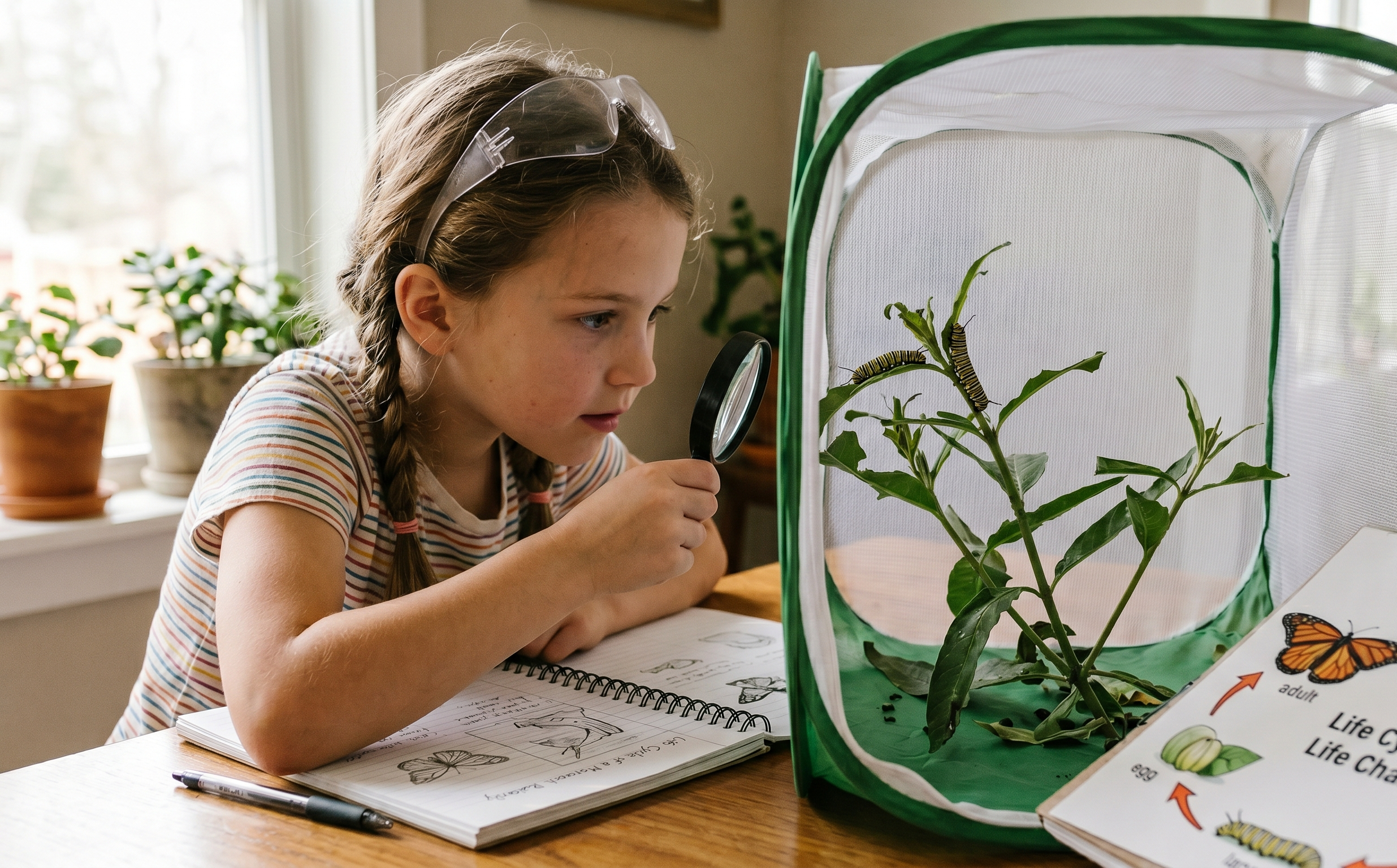
How to Use a Butterfly Cage to Observe the Caterpillar-to-Butterfly Life Cycle
Watching a caterpillar transform into a butterfly is one of nature’s most amazing experiences. Butterfly cages make it easy to safely observe every stage of the butterfly life cycle right from your home or garden. Whether you are gardening with children, homeschooling, or simply enjoying nature, raising butterflies can be both educational and rewarding.
Step 1: Attract Butterflies to Your Garden
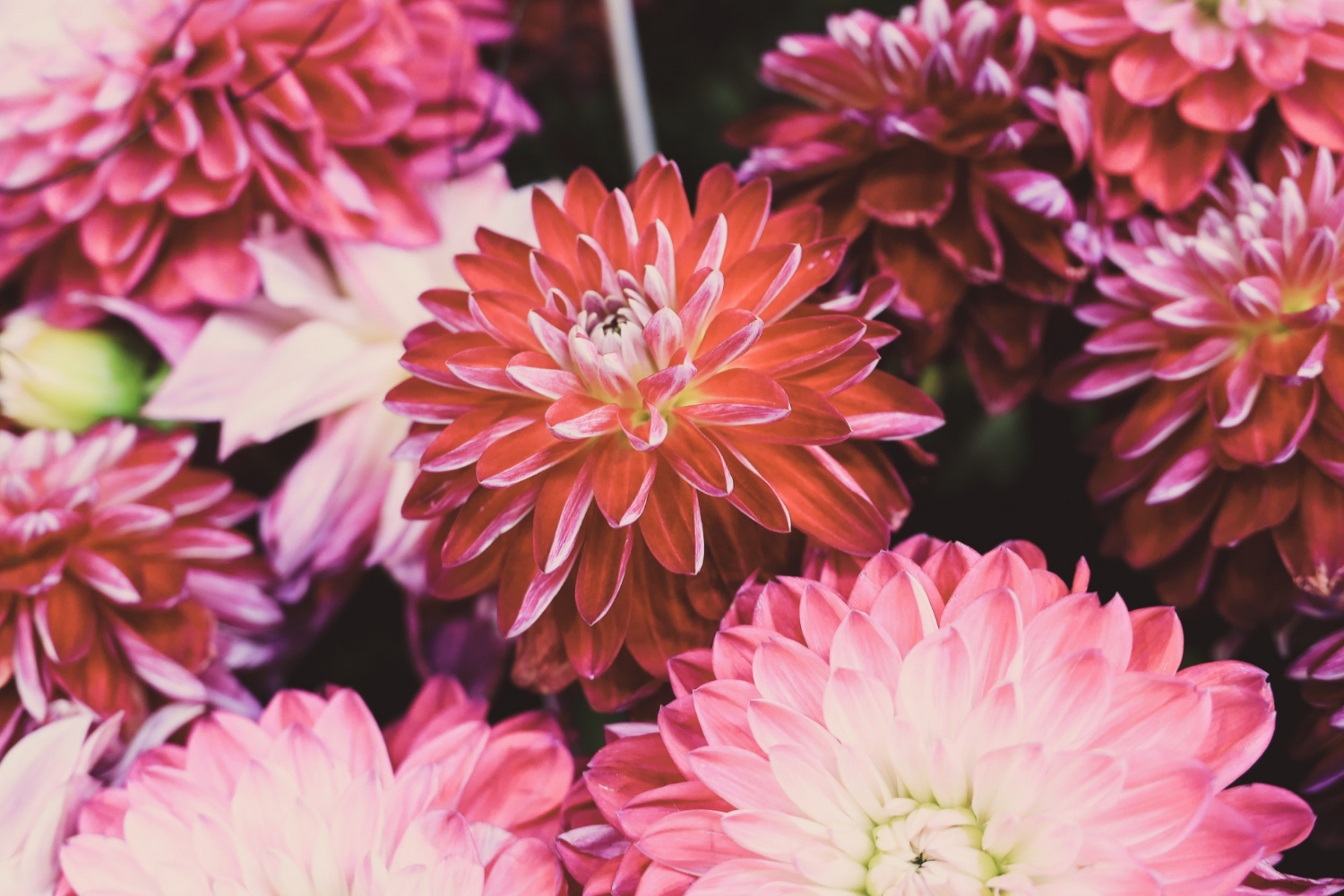
The first step is creating a butterfly-friendly garden that attracts adult butterflies. Butterflies are drawn to bright, nectar-rich flowers where they feed and rest. Planting a mix of annuals and perennials will help provide blooms throughout the growing season.
Some excellent butterfly-attracting plants for North Carolina gardens include:
- Zinnias
- Lantana
- Coneflower
- Black-eyed Susan
- Pentas
- Verbena
- Salvia
- Butterfly bush
- Joe Pye weed
The more blooms you provide, the more likely butterflies are to visit your yard and lay eggs nearby.
Step 2: Plant Butterfly Host Plants
Butterflies need more than nectar plants — they also need host plants where they lay their eggs. After the eggs hatch, the caterpillars feed on these plants as they grow.
Different butterflies use different host plants. Some of the best host plants for our region include:
For Monarch Butterflies
- Milkweed varieties such as:
- Swamp milkweed
- Butterfly weed
- Common milkweed
Milkweed is essential because Monarch caterpillars feed only on milkweed plants.
For Black Swallowtail Butterflies
- Parsley
- Dill
- Fennel
By planting both nectar plants and host plants, you create a complete butterfly habitat in your own backyard.
Step 3: Collect Caterpillars Carefully
Once butterflies begin laying eggs, you may notice tiny caterpillars feeding on the host plants. Caterpillars can be gently moved into a butterfly cage along with fresh cuttings of the host plant they are eating.
Because caterpillars eat constantly as they grow, it’s a good idea to purchase extra host plants specifically for feeding caterpillars inside the cage. Having additional milkweed, parsley, dill, fennel, or other host plants on hand ensures your caterpillars always have a fresh food source and prevents outdoor garden plants from being completely eaten down.
Always provide the correct host plant because caterpillars are very specific about what they can eat.
It’s best to:
- Keep the cage in a shaded or lightly sunny area
- Replace plant cuttings daily as caterpillars eat
- Keep extra host plants available for fresh food
- Keep the habitat clean and dry
- Avoid overcrowding the cage
Step 4: Watch the Transformation
As caterpillars grow, they will eventually form a chrysalis. During this stage, the butterfly develops inside before emerging as an adult butterfly.
This transformation may take several days to a few weeks depending on the species and weather conditions.
Once the butterfly emerges:
- Allow its wings time to fully dry
- Release it outdoors near flowers and host plants
A Fun and Educational Experience
Butterfly cages are a wonderful way to connect children and adults with nature. They provide a close-up look at metamorphosis and help support local pollinator populations at the same time.
Visit our garden center to shop butterfly cages, milkweed, nectar plants, and additional host plants for butterflies common to the Greensboro and Piedmont North Carolina area. We’d love to help you create your own butterfly-friendly garden this season.