Growing Potatoes in Buckets & Grow Bags
In Greensboro, spring gardening season arrives with cool mornings and warming soil — the perfect conditions for growing potatoes. If you’ve never tried growing them in a bucket or grow bag, you might be surprised at how simple and productive container potatoes can be. Whether you have a large backyard or just a sunny patio, potatoes are one of the easiest crops to grow at home.
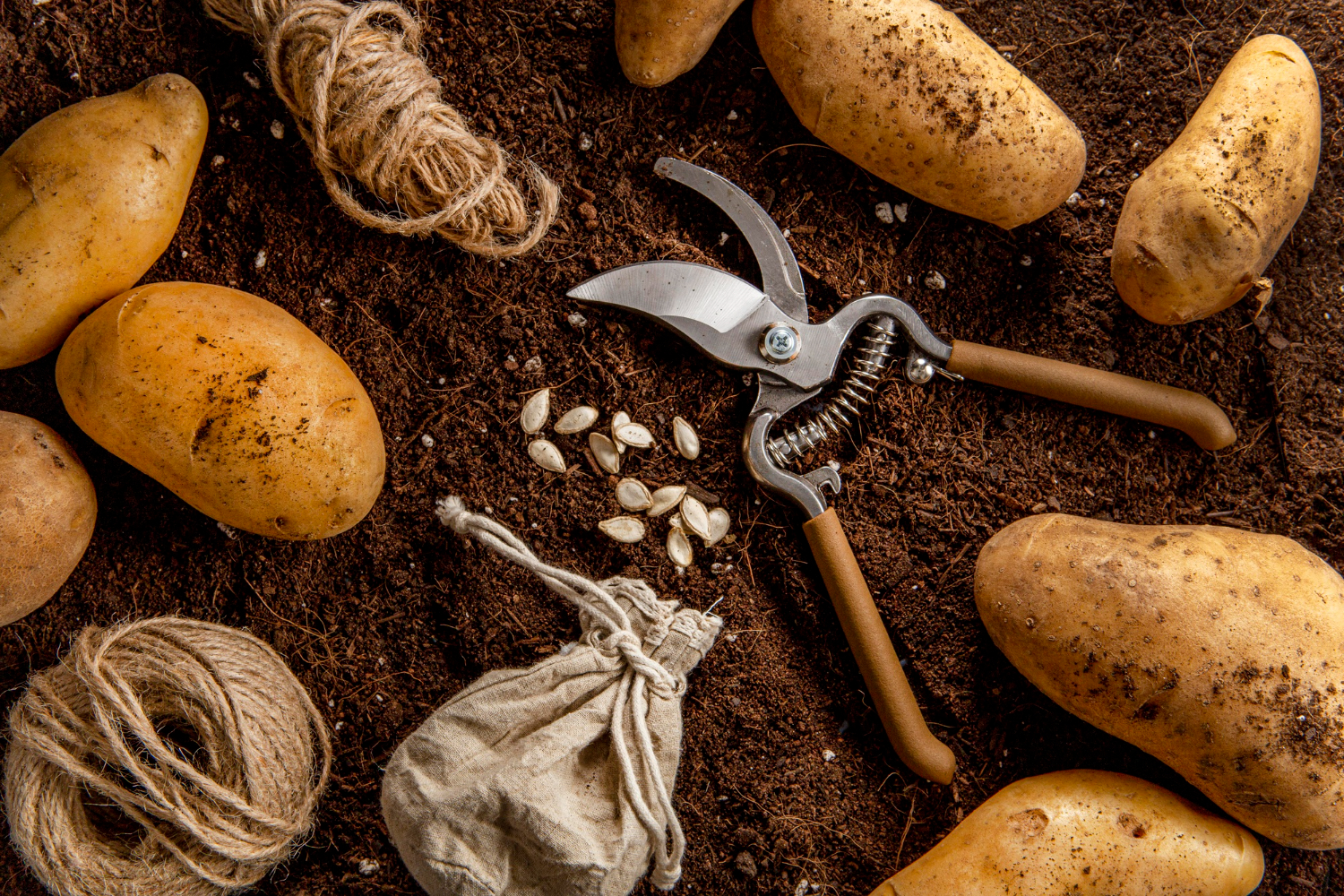
When we talk about growing potatoes “from seed,” we’re actually referring to seed potatoes — not true seeds. A seed potato is simply a potato that has been specifically grown for planting. Unlike grocery store potatoes, seed potatoes are certified disease-free and have not been treated with chemicals to prevent sprouting. Grocery store potatoes are often sprayed with sprout inhibitors and can sometimes carry diseases that persist in soil. While a store-bought potato may sprout in your pantry, planting certified seed potatoes gives you stronger, more reliable plants and a better harvest.
If you look closely at a potato, you’ll notice small dimples or buds scattered across the surface. These are called “eyes.” Each eye is a growth point capable of producing a new plant. Small seed potatoes can be planted whole, but larger ones can be cut into pieces — as long as each piece contains at least one or two eyes. After cutting, allow the pieces to dry for a day or two before planting. This helps the cut surface form a protective layer and reduces the risk of rot once in the soil.
Container size plays an important role in your success. Potatoes need room to form tubers underground. In a standard 5-gallon bucket, plant one to two seed potatoes. In a larger 10- to 15-gallon grow bag, two to three plants are ideal. Plan for about 8 to 12 inches of space per plant. Always make sure your container has good drainage holes, as potatoes do not like soggy soil.
To plant, begin by adding 4 to 6 inches of high-quality potting mix to the bottom of the container. Place your seed potatoes on top of the soil and cover them with another 3 to 4 inches of mix. As the plants grow and reach about 6 to 8 inches tall, add more soil around the stems, leaving the top leaves exposed. This process, called “hilling,” encourages more potatoes to develop along the buried stem. Continue hilling until the container is full.
Timing matters in our region. In Greensboro, potatoes are a cool-season crop. The best time to plant is typically late February through early April, once soil temperatures reach around 45 to 50 degrees. Potatoes can tolerate a light frost, but young plants should be protected if a hard freeze is predicted. Planting early allows potatoes to mature before the intense heat of summer arrives.
Most potato varieties take between 70 and 100 days to reach full maturity. However, you can harvest “new potatoes” earlier — usually about 60 to 70 days after planting, or a couple of weeks after the plants flower. If you want full-size storage potatoes, wait until the vines yellow and begin to die back naturally.
Consistent watering is key to a good harvest. Keep the soil evenly moist but not saturated. Containers dry out more quickly than in-ground beds, especially during windy spring days, so check moisture regularly. The most important time to maintain steady watering is when the plants are flowering, as this is when tubers are actively forming beneath the soil. Once the foliage begins to yellow, reduce watering and allow the soil to dry down before harvest.
When harvest time arrives, one of the joys of container growing is how easy it is. For new potatoes, gently dig around in the soil and remove a few small tubers while allowing the plant to continue growing. For mature potatoes, simply dump the bucket or grow bag and gather your crop. After harvesting, allow potatoes to cure in a cool, dark place for one to two weeks before storing them long term.
Growing potatoes in buckets or grow bags is especially helpful in areas with heavier clay soils, and it allows gardeners with limited space to enjoy a productive crop. With the right timing, proper spacing, and consistent care, you can enjoy a satisfying harvest right from your patio or backyard.
There’s something incredibly rewarding about tipping over a container and discovering what has been growing out of sight. If you’re ready to plant this season, now is the perfect time to get started.