Understanding the Different Types of Hydrangeas (and the Native Options to Know)
Hydrangeas are a favorite in Greensboro-area landscapes thanks to their big blooms, lush foliage, and long season of color. But not all hydrangeas grow the same way—sun needs, soil preferences, and (most importantly) pruning timing depend on the type. Identify what you have first, then you’ll know exactly how to care for it.
Quick ID + Care Cheat Sheet
Type | Botanical name | Native? | Sun | Blooms on | When to prune |
|---|---|---|---|---|---|
| Panicle | Hydrangea paniculata | No (Asia) | Full sun–part sun | New wood | Late winter/early spring |
| Bigleaf (mophead/lacecap) | Hydrangea macrophylla | No (Japan) | Morning sun + afternoon shade | Mostly old wood (some rebloomers) | Right after bloom (lightly) |
| Smooth | Hydrangea arborescens | Yes (North America) | Part sun–part shade | New wood | Late winter/early spring |
| Oakleaf | Hydrangea quercifolia | Yes (Southeast US) | Part shade | Old wood | Right after bloom (minimal) |
Panicle Hydrangeas (Hydrangea paniculata)
Panicle hydrangeas are among the easiest and most reliable hydrangeas to grow. They produce large cone-shaped blooms that often start white and may blush pink as the season progresses. In our region, they typically perform best in full sun to part sun.
Pruning tip: Panicle hydrangeas bloom on new wood (this season’s growth). Prune in late winter or very early spring before new growth starts to control size and encourage strong flowering.
Popular landscape picks: ‘Limelight’, ‘Little Lime’, ‘Pinky Winky’, ‘Bobo’.
Bigleaf Hydrangeas (Hydrangea macrophylla)
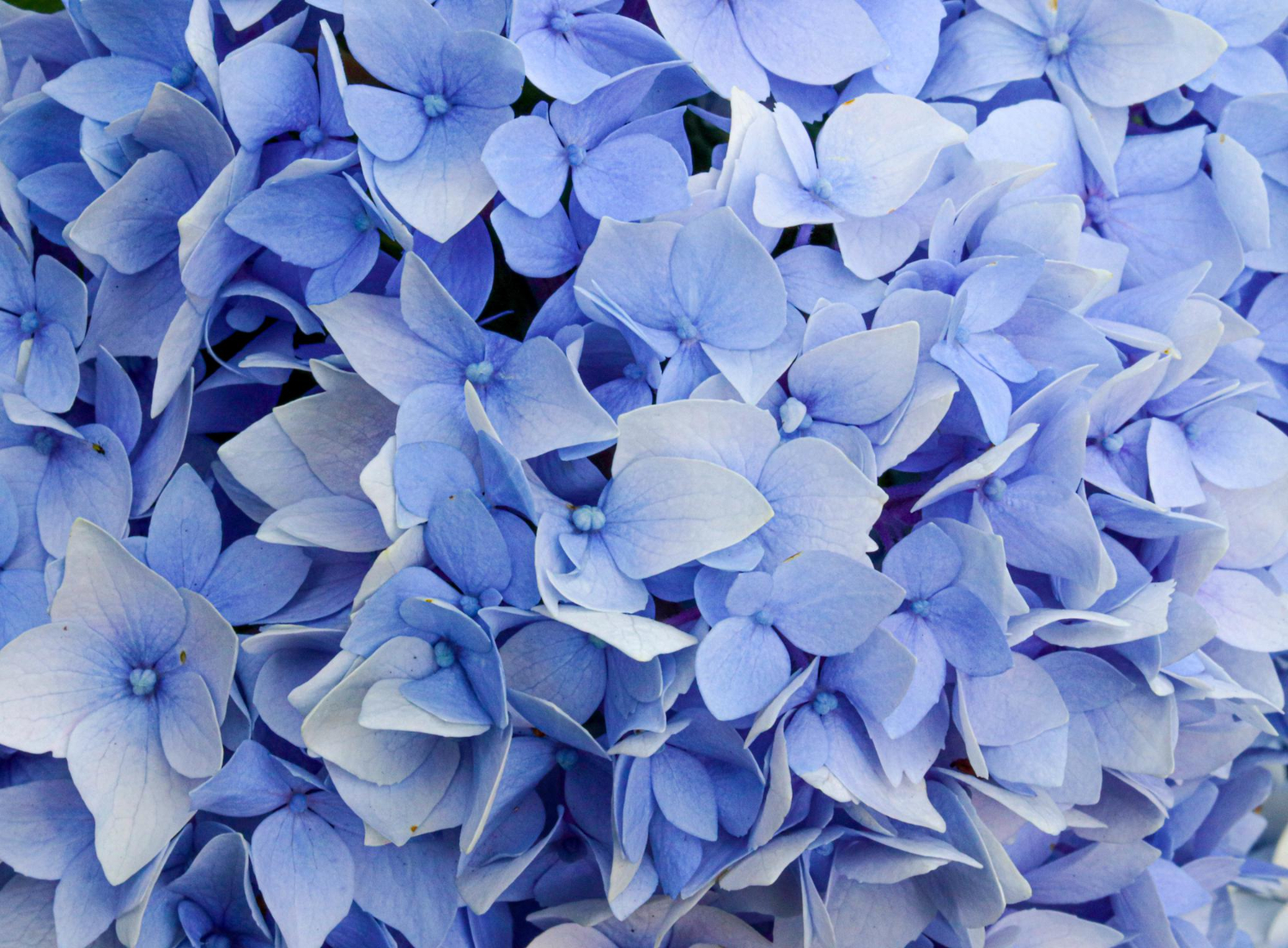
Bigleaf hydrangeas are the classic “mophead” or “lacecap” types with blue, pink, or purple blooms. They prefer morning sun with afternoon shade plus consistently moist, well-drained soil.
Pruning tip: Many traditional varieties bloom on old wood (buds formed the previous year). If you need to shape, prune lightly right after flowering. Avoid heavy pruning in fall, winter, or early spring or you may remove next year’s blooms.
Local note: Some newer “reblooming” types (often sold as “Endless Summer”-style) can flower on both old and new wood, but they still do best with minimal pruning.
Smooth Hydrangeas — a Native Favorite (Hydrangea arborescens)
Smooth hydrangeas are native to North America and are known for large, rounded blooms (including the famous ‘Annabelle’-type selections). They do well in part sun to part shade and appreciate evenly moist soil.
Pruning tip: Smooth hydrangeas bloom on new wood, making them very forgiving. Many gardeners cut them back in late winter or early spring (often to 12–18 inches) to encourage sturdy stems and full summer flowering.
Native-forward alternatives to know: If you want a more natural look than the big “snowball” blooms, ask about straight species Hydrangea arborescens or more pollinator-friendly lacecap-style selections when available.
Oakleaf Hydrangeas — Native + Four-Season Interest (Hydrangea quercifolia)
Oakleaf hydrangeas are native to the Southeast and bring more than flowers: oak-shaped leaves, great texture, and standout fall color. They thrive in part shade, especially with protection from hot afternoon sun.
Pruning tip: Oakleaf hydrangeas bloom on old wood, so pruning should be minimal and done right after flowering if needed. Most years, they only need dead/damaged wood removed.
Why native gardeners love them: Oakleaf hydrangeas support local ecosystems and look right at home in woodland-style and native plantings.
Native Hydrangeas You May Be Missing (Great for the Carolinas)
If you’re trying to lean more native in your landscape, these hydrangeas are worth knowing about:
- Mountain hydrangea (Hydrangea serrata): Not native (East Asia), but often more cold-hardy and lacecap-heavy than bigleaf types.
- Climbing hydrangea — native option (Hydrangea barbara / Decumaria barbara): Commonly called climbing hydrangea, this is a native Southeastern vine with fragrant white summer blooms. It’s different from the more commonly sold (non-native) climbing hydrangea (Hydrangea anomala subsp. petiolaris).
Tip: If you’re shopping specifically for native plants, always check the botanical name—common names can be misleading.
The Bottom Line
Once you know your hydrangea type, the care gets simple—especially pruning. For a more eco-friendly, Carolina-appropriate landscape, consider adding smooth hydrangea and oakleaf hydrangea to your mix (and ask about the native climbing hydrangea if you want a flowering vine).
Want help choosing the right hydrangea for your yard? Bring a photo of the plant (and a picture of the leaves) to Guilford Garden Center, and we’ll help you ID it and match it to the right sun and soil conditions!